
Aug 27, 2026Integration & Compatibility
Why Your Control Panel Needs UPS Backup Power
A control panel without UPS backup loses its PLC, HMI and comms the moment mains drops. An industrial UPS keeps control logic online through outages—no manual reboot.
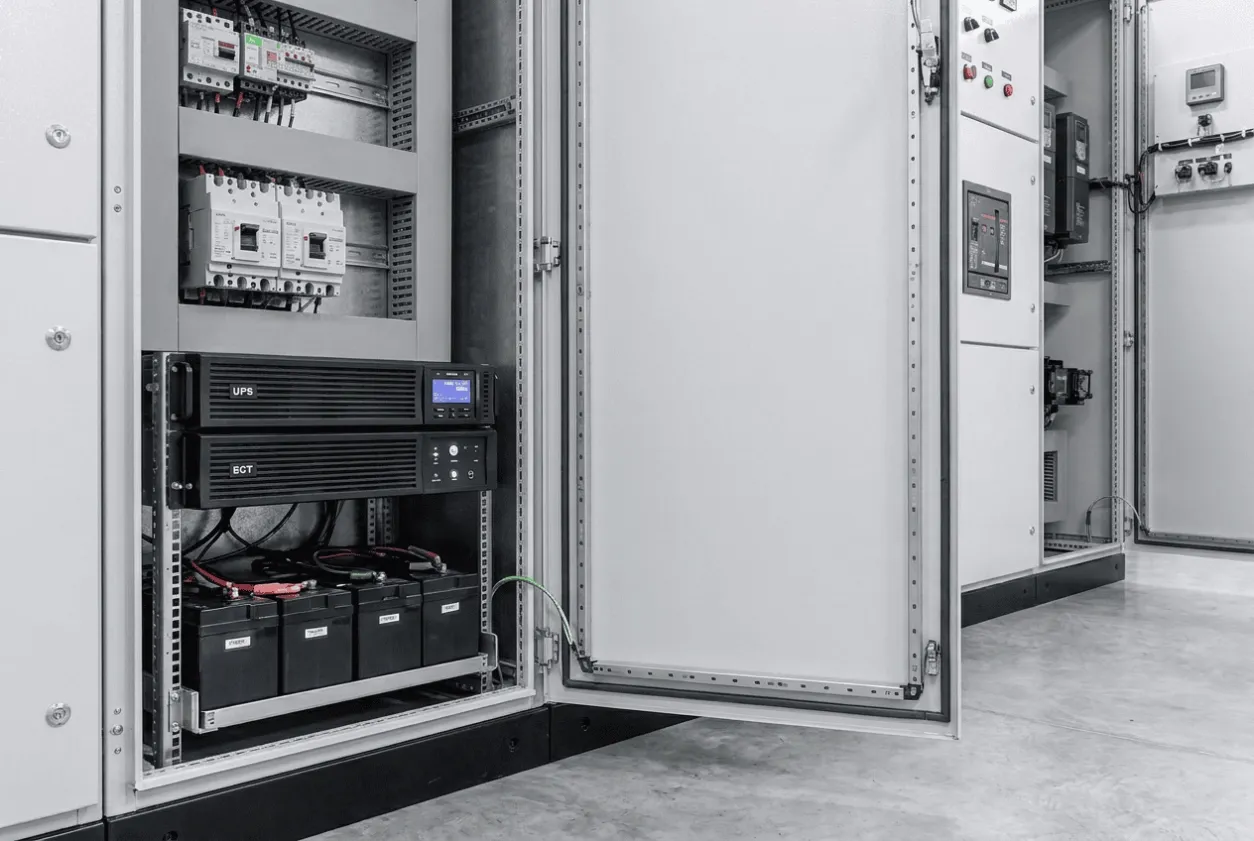
A 3-Second Power Dip Caused a 40-Minute Restart. Do You Really Need a UPS?
An Interview with UniRegal Engineer Michael

I asked Michael, a senior engineer at UniRegal, whether every control panel really needs UPS backup power.
He looked at the drawing for a few seconds before answering.
“It depends,” he said. “And engineers hate that answer, but it is true.”
Then he pointed to the PLC, HMI, Ethernet switch, and communication module.
“These are the parts I care about. Not every motor needs to keep running, but the control system should not forget what it was doing.”
That is the real reason a control panel may need UPS backup power. The UPS is not there to keep the whole factory alive. It is there to keep the PLC, HMI, communication, alarms, and shutdown logic online long enough for the machine to recover properly.
“Is a Short Power Dip Really a Problem?”
I was not fully convinced, so I asked him:
“If the power only drops for two or three seconds, is that really worth designing around?”
Michael smiled.
“That is one of the biggest misunderstandings.”
He told me about a food-line project where a short voltage dip caused three interlocked panels to reboot. The actual dip lasted only a few seconds, but operators needed around 40 minutes to clear alarms, check product inside the line, and restart the sequence.
“The outage was short,” he said. “The recovery was not.”
That line stayed with me because it changes the buyer’s question. The issue is not only how long the power disappears. The issue is how long the system needs to become useful again.
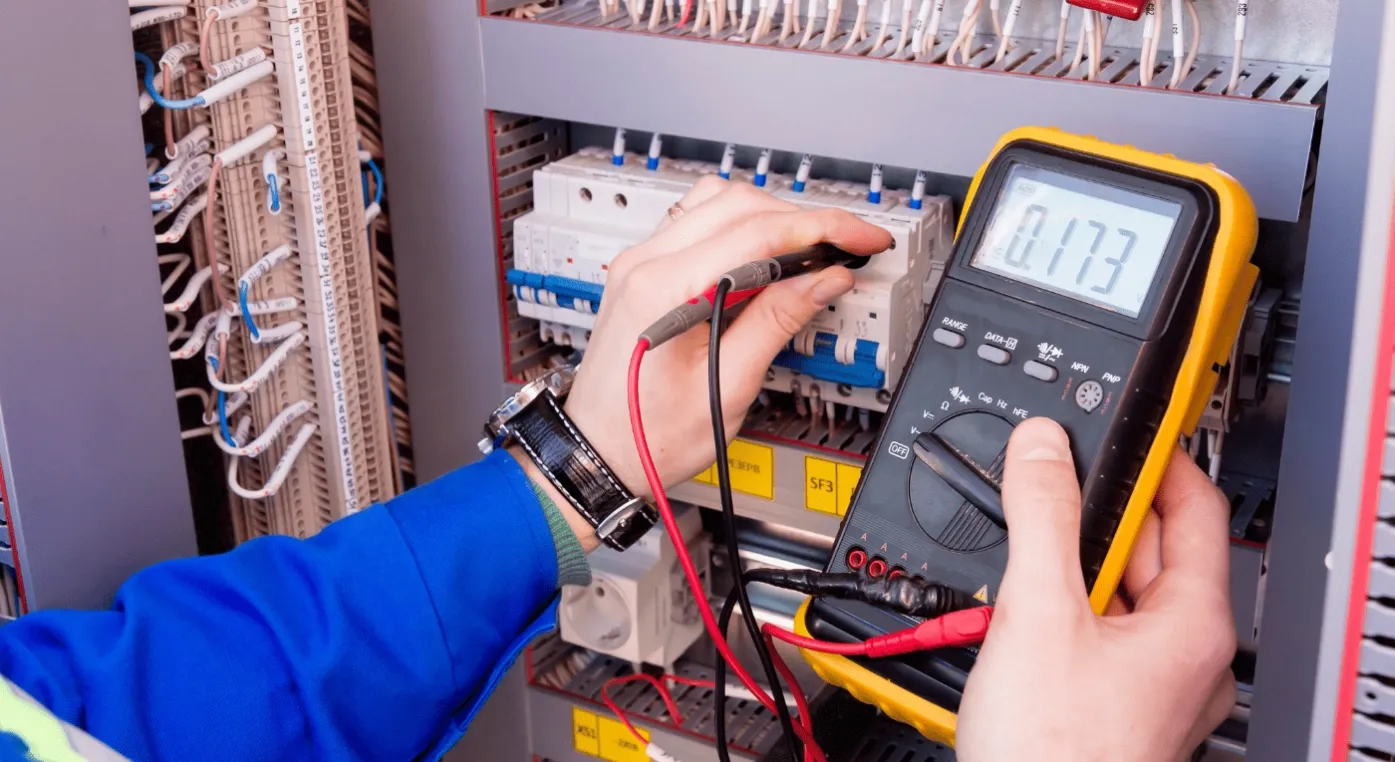
“So Is a Generator Enough?”
I asked the next obvious question.
“If the plant already has a generator, why add UPS backup inside the control panel?”
Michael did not agree with the assumption.
“A generator handles the long outage,” he said. “The UPS handles the gap.”
A generator may take several seconds to start and stabilize. During that gap, the PLC may reboot, the HMI may go black, the Ethernet switch may drop, and communication with SCADA or remote I/O may fail. The generator may eventually bring power back, but the control system has already lost continuity.
His view was simple: generators and UPS are not enemies. They do different jobs.
“AC UPS or 24V DC UPS?”
I asked Michael the question many buyers ask first:
“Should we use an AC UPS or a 24V DC UPS?”
He laughed.
“I don’t start with the UPS. I start with the control architecture.”
For a panel built mainly around 24V DC control, a DC UPS is often cleaner. It can support the PLC, HMI, Ethernet switch, remote I/O, and control bus without unnecessary conversion. For panels with mixed AC loads or special instruments, an AC UPS may be more suitable.
Then he added a useful warning:
“If someone recommends a UPS before asking about the load, I become nervous.”
That is a good buyer filter. A serious supplier should ask what must stay powered, how much current it draws, how long it must stay alive, where the UPS will be installed, and what happens when battery mode starts.
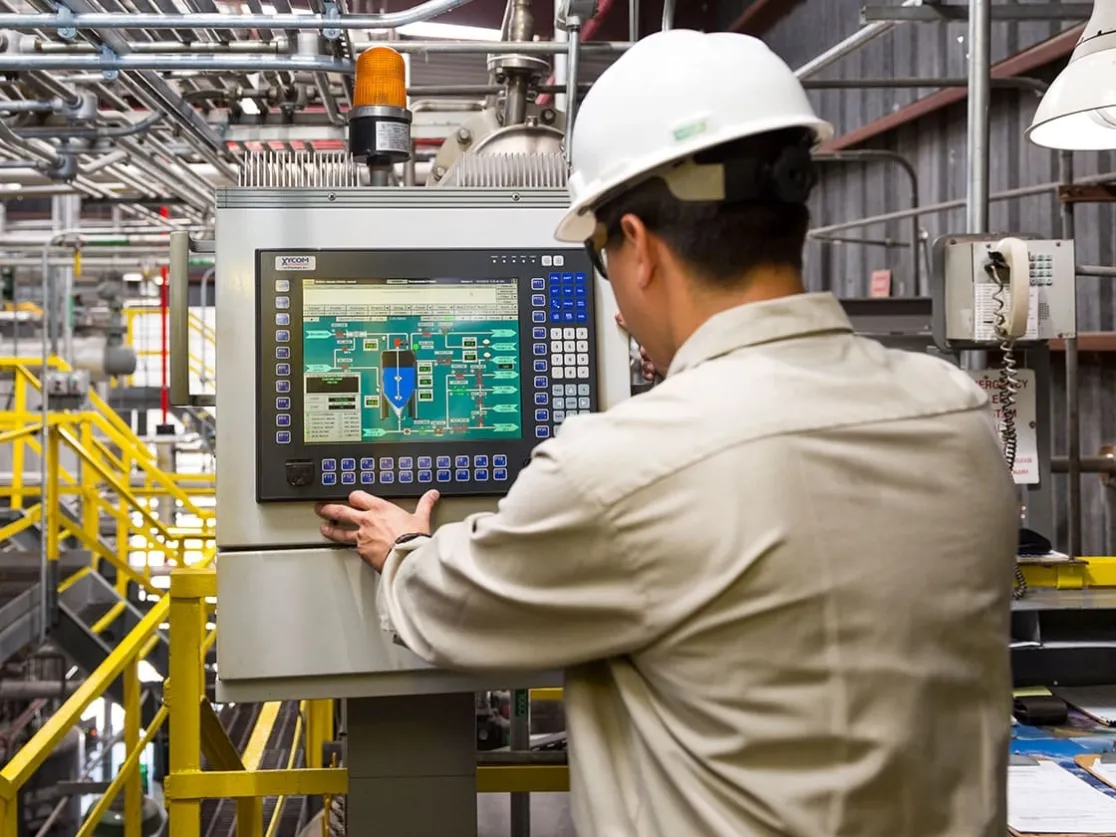
“Why Not Just Choose a Bigger UPS?”
I challenged him again.
“So bigger UPS means safer, right?”
Michael shook his head.
“No.”
Then he smiled.
“People always want one more hour of backup. No free lunch there.”
A larger UPS needs more cabinet space, more battery capacity, more heat consideration, more maintenance access, and a higher replacement cost. In a hot outdoor or crowded control panel, battery life can become a real issue if temperature is ignored.
Michael normally starts with a practical runtime target. For many panels, 10 to 30 minutes is enough to bridge grid dips, generator transfer, or a controlled shutdown. If the buyer wants hours of backup, then the conversation is no longer a simple UPS selection. It becomes a cabinet layout, thermal design, battery maintenance, and cost discussion.
One Thing Buyers Often Forget
Michael pointed to the PLC on the drawing again.
“One thing buyers forget is the UPS signal.”
A UPS should not quietly hold the panel until the battery is nearly empty. The PLC should know when mains power has failed. The HMI should show UPS status. The alarm should be visible. If a controlled shutdown is required, the logic must be written and tested.
“A UPS with no signal to the PLC just delays the crash,” he said.
That line stayed with me because it changes the buying decision. UPS backup is not only about battery size. It is about control behavior.
What Should Be Tested During FAT?
I asked him what buyers should check before the panel ships.
His answer was direct:
“Remove mains power during FAT and watch what the panel does.”
The test should confirm that the PLC stays online, the HMI remains active, the UPS alarm appears, the shutdown signal works, and the system recovers correctly when power returns. If the panel includes generator transfer, communication devices, or SCADA signals, those should also be reviewed.
“If a UPS is keeping a motor running, someone may have designed the wrong thing,” Michael said. “But if it keeps the control system alive long enough to stop cleanly or restart properly, then it is doing its job.”
Michael’s One-Minute Checklist
Before approving a control panel UPS design, Michael checks:
- What absolutely cannot lose power?
- How long must it stay alive?
- Is the panel mainly 24V DC or mixed AC?
- Will the PLC know when the UPS is on battery?
- What happens when power returns?
- Can the UPS battery be maintained later?
- Will the UPS function be tested during FAT?
This checklist is simple, but it prevents many poor UPS decisions.
FAQ
Does every control panel need UPS backup power?
No. A simple manual panel may not need one. A PLC panel, HMI panel, pump control panel, process panel, batching system, SCADA panel, or communication-based panel should at least review UPS backup.
Is a generator enough?
Not always. A generator may cover longer outages, but the UPS bridges the delay before generator power becomes stable.
Is 24V DC UPS better than AC UPS?
For 24V DC control systems, a DC UPS is often simpler. For mixed AC loads, an AC UPS may be better. The choice depends on the actual load.
What should buyers send before asking for a UPS quote?
Send the control voltage, load list, PLC/HMI models, communication devices, required backup time, cabinet size, ambient temperature, generator information, and FAT expectations.
Before You Request a Quote
I asked Michael one last question:
“If you could ask every buyer only one thing before quoting a control panel UPS, what would it be?”
He paused for a moment.
“Tell me what absolutely cannot lose power,” he said. “Once you answer that, the UPS almost chooses itself.”
That is where a serious UPS review begins.
Before requesting a quotation, send UniRegal your control panel drawings, load list, PLC/HMI requirements, communication devices, required ride-through time, site conditions, and FAT expectations. UniRegal can review whether your panel needs a 24V DC UPS, an AC UPS, shutdown logic, UPS alarm signals, cabinet layout changes, or FAT verification before production.
A UPS is not just a battery in the cabinet. It is a decision about what your control system must remember when power disappears.