
Pump Control Panels
Pump Control Panel Supplier
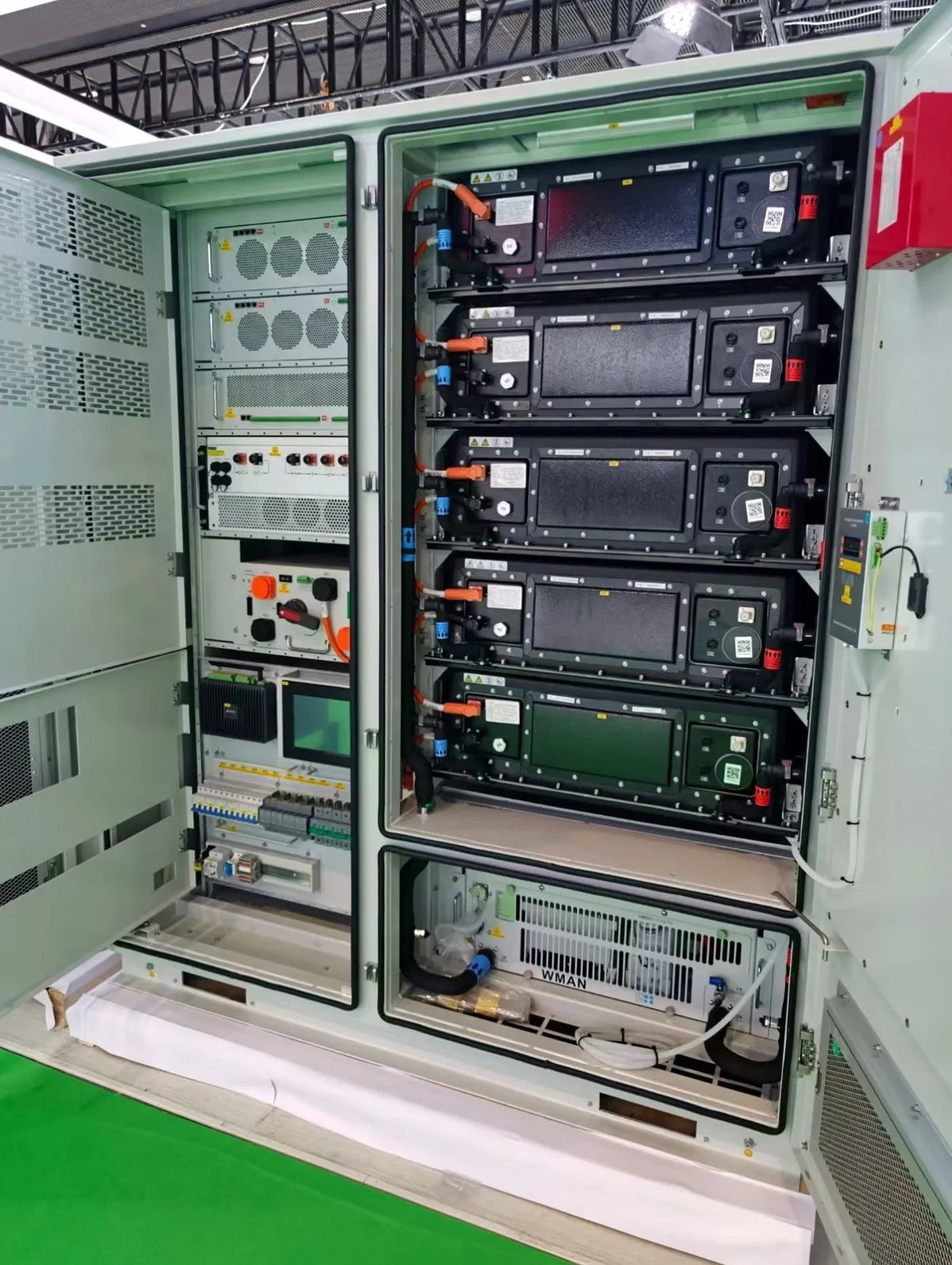
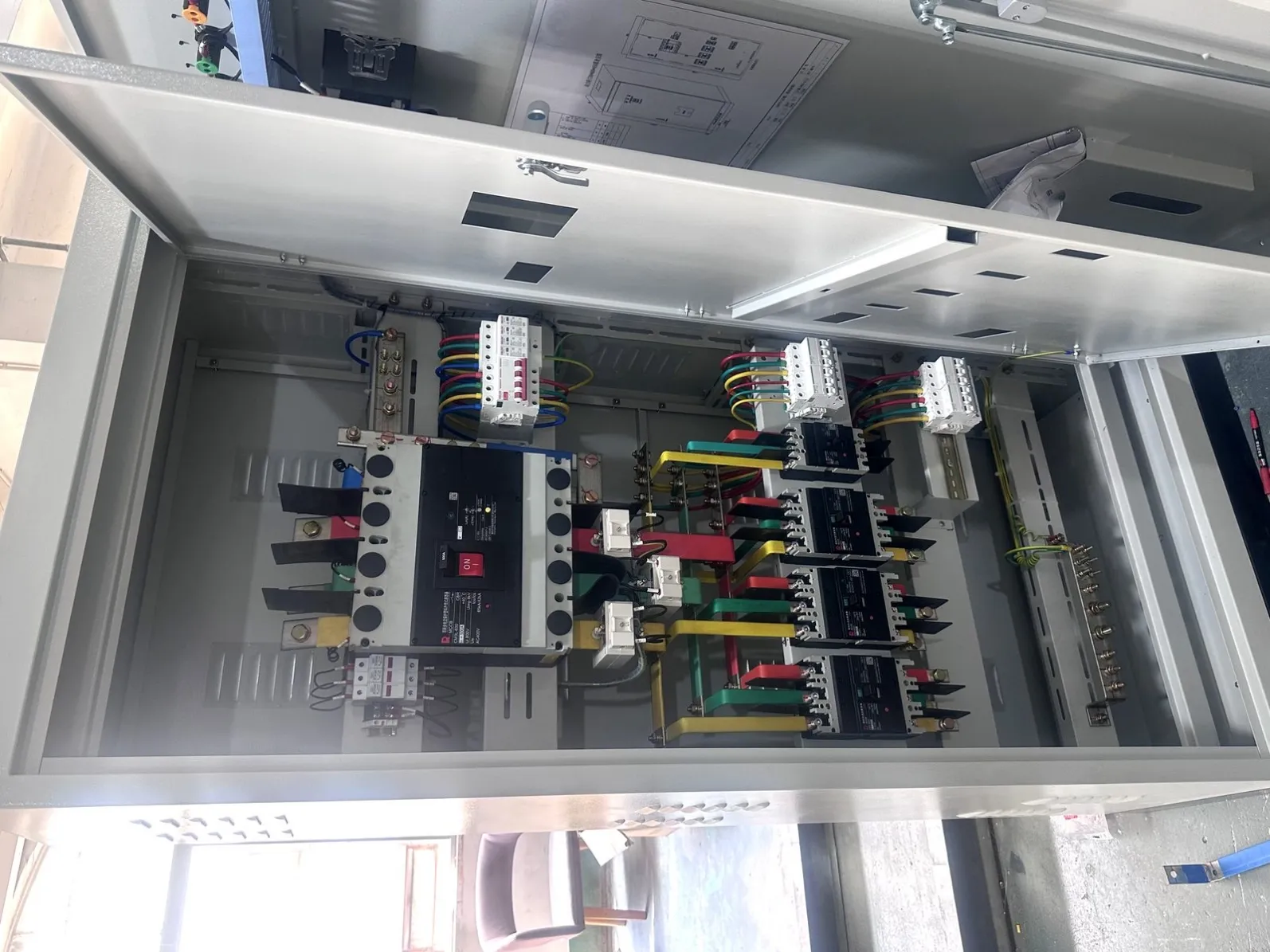
Pump control panels for single-pump, duplex, booster and transfer duty — with enclosures, VFDs and protection sized to your site. Source from Foshan suppliers.
Specifications
- Application
- Custom Industrial Automation
- Control Method
- PLC / Relay Based
- Voltage
- 220V / 380V / 480V Available
- Protection Rating
- IP54 / IP65 Optional
- Communication Protocol
- Modbus / Profinet / Ethernet/IP
- Testing
- FAT Before Shipment
- Customization
- Available
Quick Answer
A pump control panel manages start/stop, VFD speed and alternation for one or many pumps by level, pressure or flow. UniRegal builds to your I/O list (DI/DO/AI/AO/RTD) using approved brands, ~15-day lead time, UL 508A on request. MOQ from 5 units; send your tag schedule.
The starting method decides the panel, not the pump brand
The pump itself is rarely the hard part of the specification. What shapes the panel — its size, heat load, protection scheme and cost — is how the motor is started and how the pump is protected.
Direct-on-line
The simplest arrangement: contactor, overload and isolator. Suited to smaller pumps where the supply can absorb the starting current and the process tolerates the starting shock.
Star-delta
Used where starting current has to be reduced on a larger motor. More contactors, more timers, more wiring and more panel space than direct-on-line.
Soft starter
Controlled acceleration and reduced water hammer, at the cost of an additional device with its own thermal and bypass considerations.
Variable frequency drive
Variable flow and pressure control, and useful energy savings at part load. The panel becomes a design exercise: drive selection, filtering, EMC and heat management all have to be resolved together.
Tell us the starting method, or tell us the duty — flow, head and starts per hour — and we will engineer the starting method with you rather than around you.
Duty and application
The same control logic is used differently across sites, and that difference changes the specification.
Municipal and utility water
Duty and standby pumps with automatic alternation, telemetry back to a central system, and often a requirement that a single failure does not take the station down.
Stormwater and drainage
Infrequent but high-volume duty, level-triggered start, and a long idle period between events. The panel has to start reliably after months of standing, which is why level detection and its failure modes get specified rather than assumed.
Wastewater and sewage
Wet, corrosive and sometimes hazardous-area environments. Enclosure material and ingress protection matter as much as the control logic.
Booster and pressure sets
Pressure-transducer control, cascade staging of multiple pumps, and dry-run protection for the pump seals.
Process, cooling and irrigation
Scheduled or flow-triggered duty, frequently integrated with a plant control system rather than standalone.
If the site is classified as a hazardous area, or the panel sits outdoors, say so early: enclosure specification follows from it and is expensive to retrofit.
Protection and instrumentation
A pump panel that only starts and stops the pump is not finished. What we normally see specified: dry-run or loss-of-priming protection from a level switch, flow switch, pressure switch or current sensing; thermal overload together with phase failure and phase-sequence protection on the supply; level control by float, electrode, ultrasonic or radar, chosen for the medium, foam and maintenance access; pressure and flow inputs for booster and process duty; duty and standby alternation with lead/lag rotation and automatic changeover on fault; and local hand/off/auto control with the remote command source defined in writing before the build starts.
We specify what the site can maintain. A protection scheme that depends on instrumentation the local team cannot replace is a liability rather than a feature.
Control and remote monitoring
Where the panel is unmanned, or part of a network, the control interface is agreed before the build rather than discovered at commissioning. That means: local control by HMI, selector switch or pushbutton with the operator permissions defined; communication to the site SCADA, BMS or DCS — Modbus RTU or TCP, Ethernet/IP and Profinet are common — with the point list, data direction and failure behaviour all written down, because the protocol name alone is not a specification; remote access for diagnostics with the security model stated, including who can reach the panel and what happens when the link is down; and alarm and event logging, so a fault at three in the morning is diagnosable on the next visit instead of guessed at.
Enclosure and environment
The enclosure follows the site. Indoor dry locations normally take a sheet-steel enclosure. Outdoor installations need IP65 or higher with rain, UV, condensation and ambient temperature considered — a sealed box with no cooling plan becomes a heat problem rather than a protection solution. Washdown, food, chemical and coastal sites need 304 or 316 stainless, with 316 where chloride exposure is real. For humid or corrosive locations, the fixings, glands and labels are specified to match the enclosure, because mixed materials corrode first at the joints.
Buyer Decision Facts
Complete wired and tested pump control panels start from 1 unit. Empty enclosures start from 5 units.
Lead time is about 35 to 40 days for complete panels and 15 to 20 days for empty enclosures, measured from confirmed drawings.
Customer-supplied core components are accepted: send your own pump controllers, drives, PLC or relays and we build, wire, label and test the panel around them.
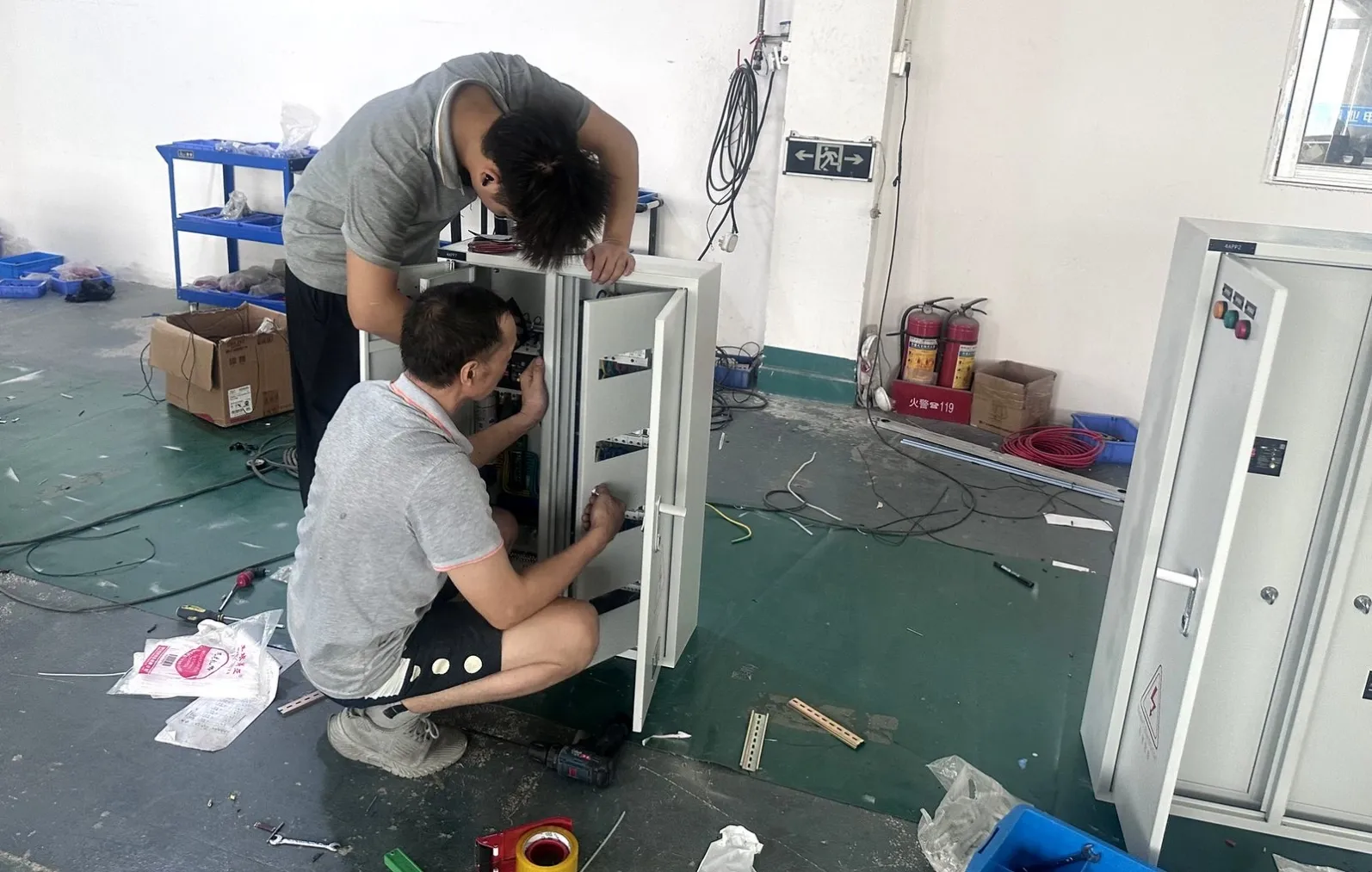
FAT records and photographs, and an as-built wiring diagram, ship with the panel.
We build to the standard your destination market requires — for example UL 508A-referenced panel construction for North America, or IEC 61439 and IEC 60204-1 referenced construction for other markets. Component-level certificates (UL, CE, RoHS) are supplied per project. Protection ratings such as IP65 to IEC 60529 are tested ratings, not certificates.
Documentation includes the terminal and wiring schedule, a bill of materials with brand and part number, the test record, and the control philosophy as built.
What to send for a quotation
Six things produce a usable quotation instead of a placeholder price: the pump data, meaning number of pumps, kW or hp, supply voltage and phase, and starts per hour; the duty, meaning what the pump actually does and whether flow is constant or variable; the starting method, or the duty figures so that we can advise; the instrumentation, meaning which level, pressure or flow devices exist at site already; the control and communication requirement, including the protocol and tag list if it exists; and the environment and standards, meaning indoor or outdoor, the required IP rating, enclosure material, hazardous-area classification, destination market and the standard the project is inspected against.
Send them as a drawing, a schedule or a written description. We will come back with the questions that matter rather than a generic price list.
Frequently Asked Questions
Can you supply pump control panels for distribution or resale?
Yes. We build to your specification or to your customer's, with your branding and documentation conventions where required. Complete panels start from 1 unit, so a first order can be a single panel for a specific site rather than a container load.
Do you build panels for municipal and stormwater applications?
Yes. Duty and standby with automatic alternation, level-triggered start and telemetry to the operator's control system are standard configurations for us. Tell us the failure tolerance of the site: whether the station has to keep working with one pump or one level device out of service determines how much redundancy the panel carries.
Can we supply our own pumps, drives or controllers?
Yes. Customer-supplied core components are accepted, and we build, wire, label and test the panel around them. Send the component list and any terminal or wiring documentation with the enquiry.
What are the minimum order and lead time?
Complete wired and tested panels from 1 unit, in about 35 to 40 days. Empty enclosures from 5 units, in about 15 to 20 days. Lead time runs from confirmed drawings.
Do you provide FAT records and drawings?
Yes. FAT records and photographs, and an as-built wiring diagram, ship with the panel.
Can the panel be retrofitted into an existing pump station?
Usually. The constraint is rarely the panel and normally the existing wiring, the gland space and the site's shutdown window. Send photographs of the existing installation and the pump schedule; retrofit planning is part of the quotation.
Which standards do you build to?
The standard your destination market requires. For North America that is normally UL 508A-referenced panel construction; elsewhere IEC 61439 and IEC 60204-1 referenced construction is common. Protection ratings such as IP65 to IEC 60529 are tested ratings, and component-level certificates are supplied per project.
Can the panel report to our SCADA or BMS?
Yes. The useful specification is not the protocol name but the data list: which points, in which direction, and what the panel must do when the link fails. Agreeing that list before the build is what prevents a commissioning surprise.
Request a quotation
Send your pump schedule, starting method, instrumentation list and the standard the project is inspected against. We will review the specification and come back with a quotation, or with the questions that have to be answered first.