Power Distribution and Control Solutions for Oil & Gas Projects
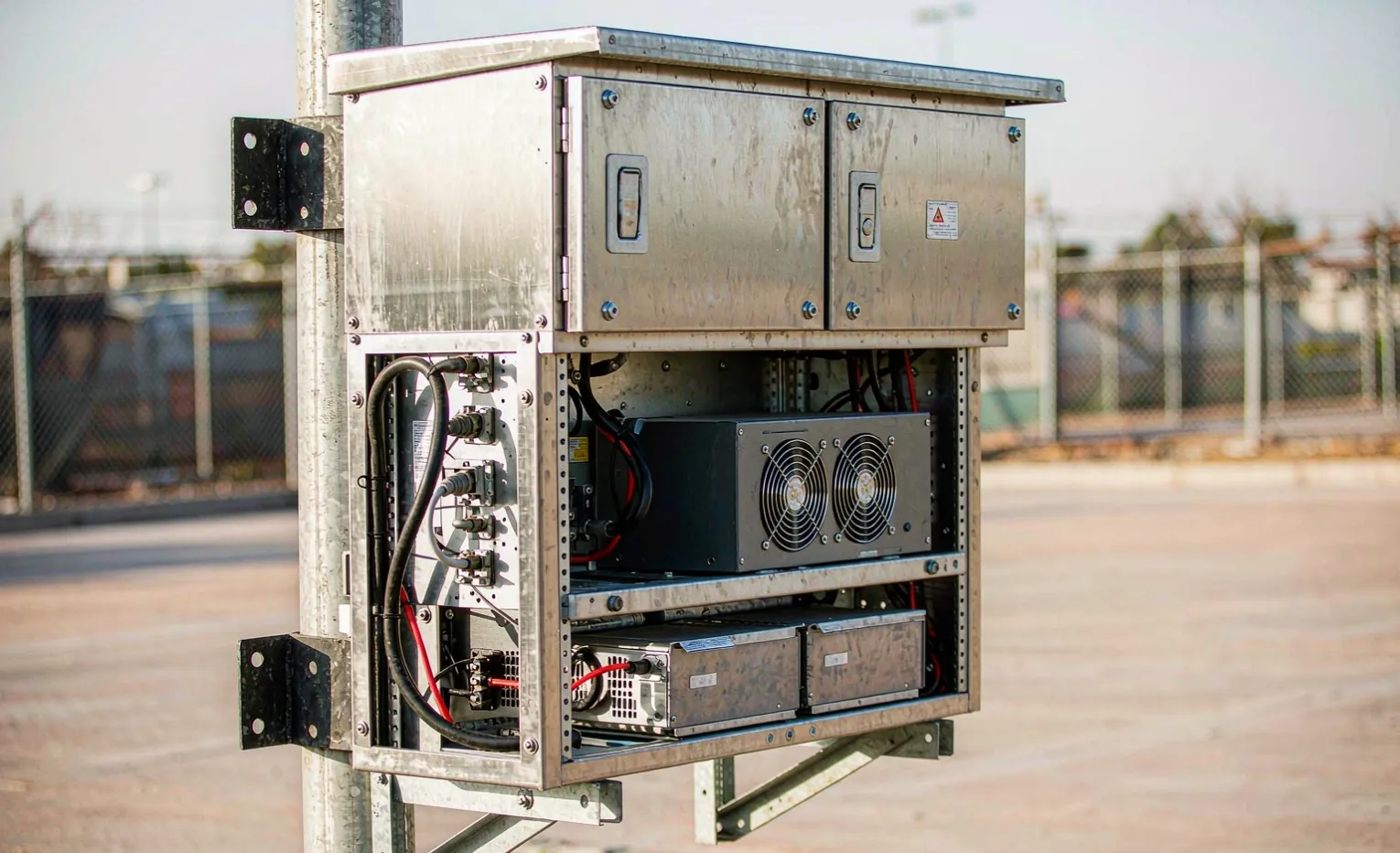
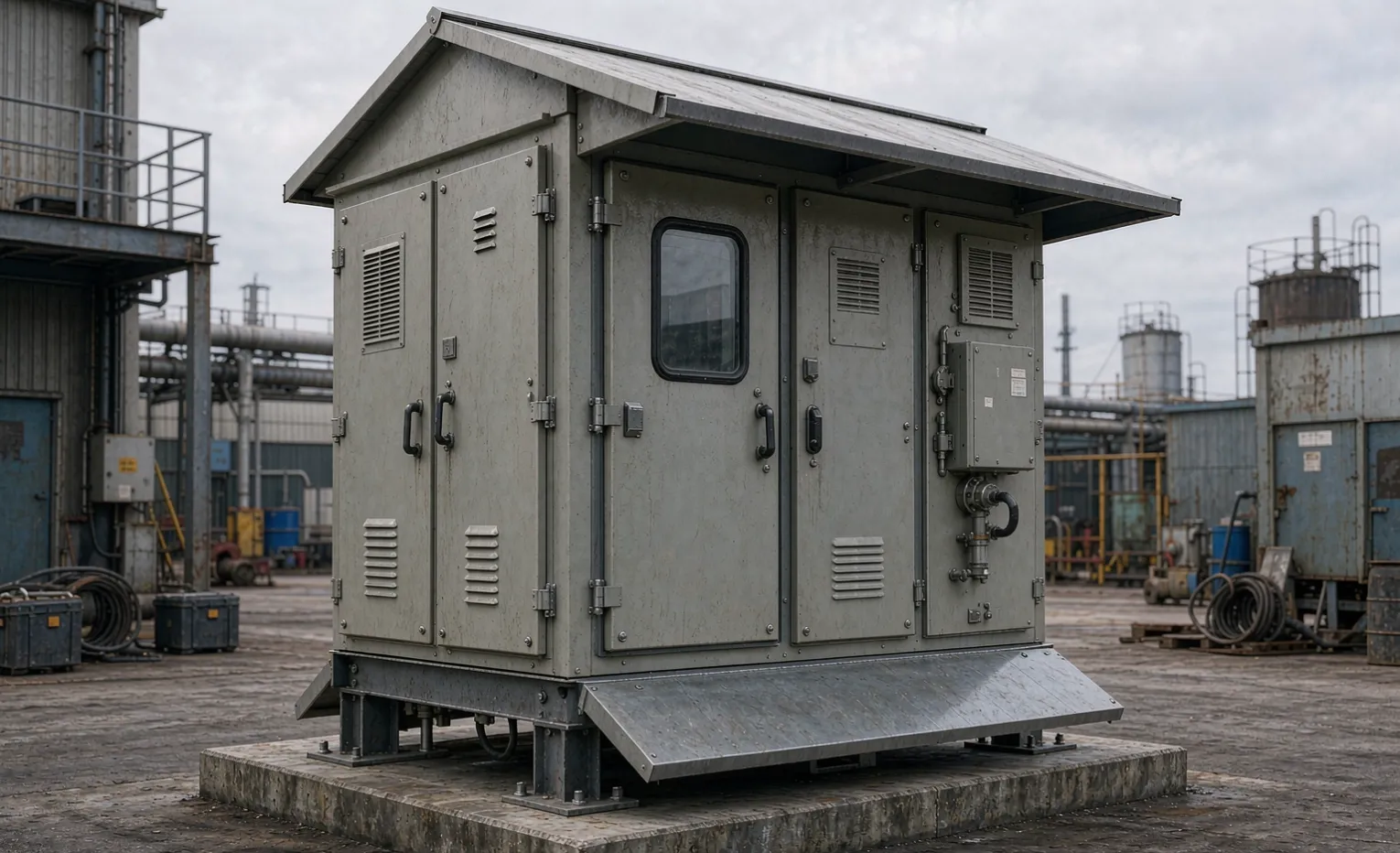
Project-specific control, power, and automation solutions for upstream, midstream, and downstream oil and gas facilities, including PLC and RTU systems, MCC and VFD panels, industrial UPS, power distribution, and outdoor enclosures.
PROJECT QUALIFICATION
Built Around Your Oil & Gas Project Requirements
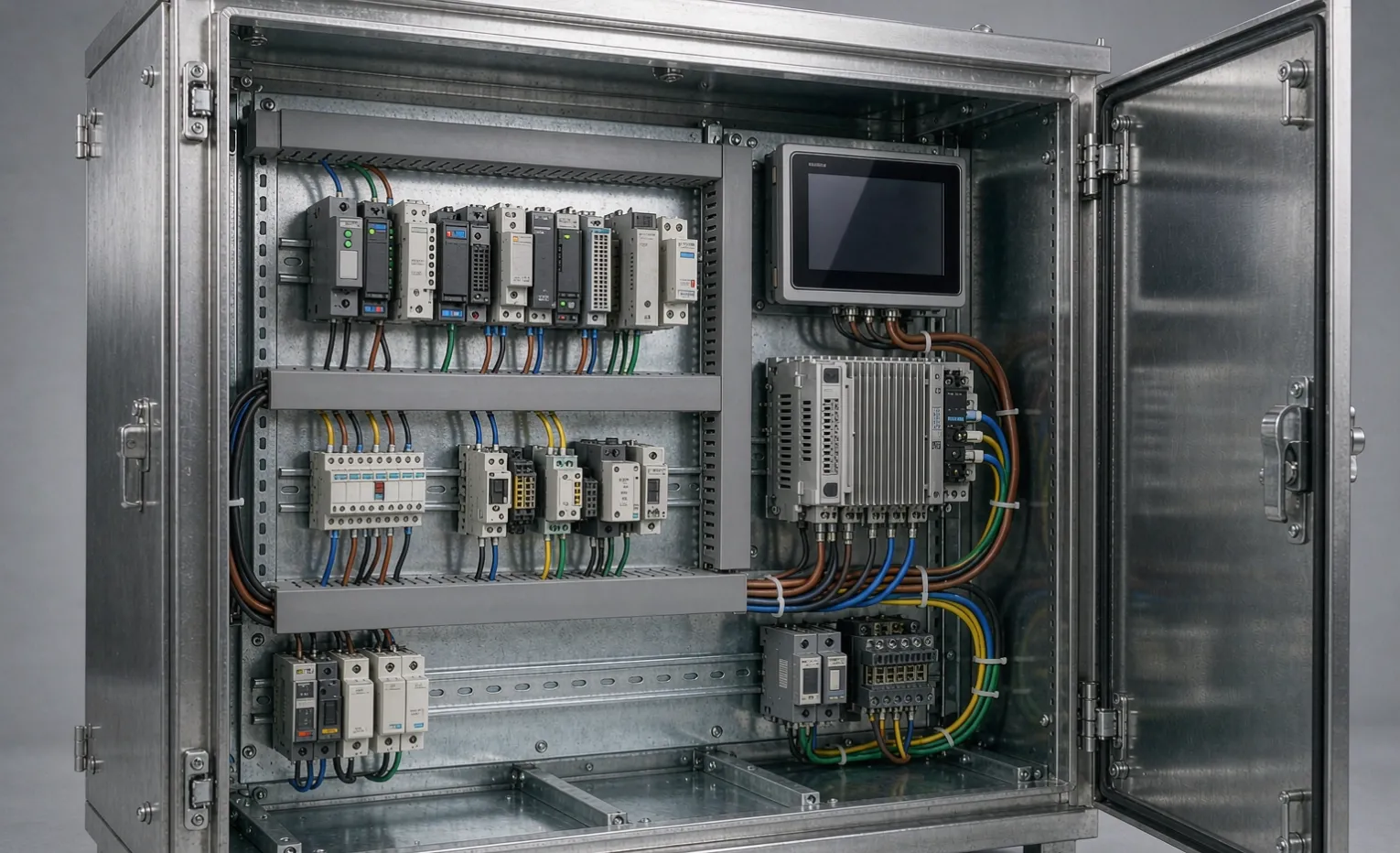
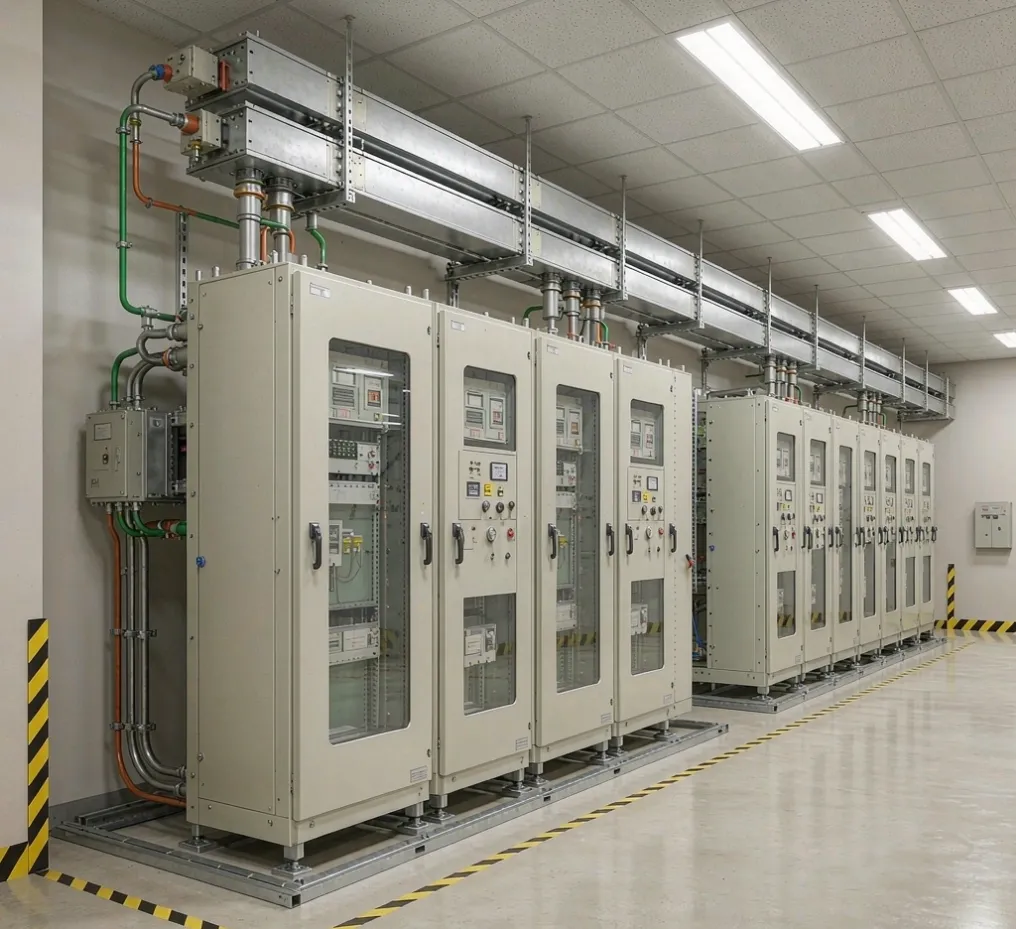
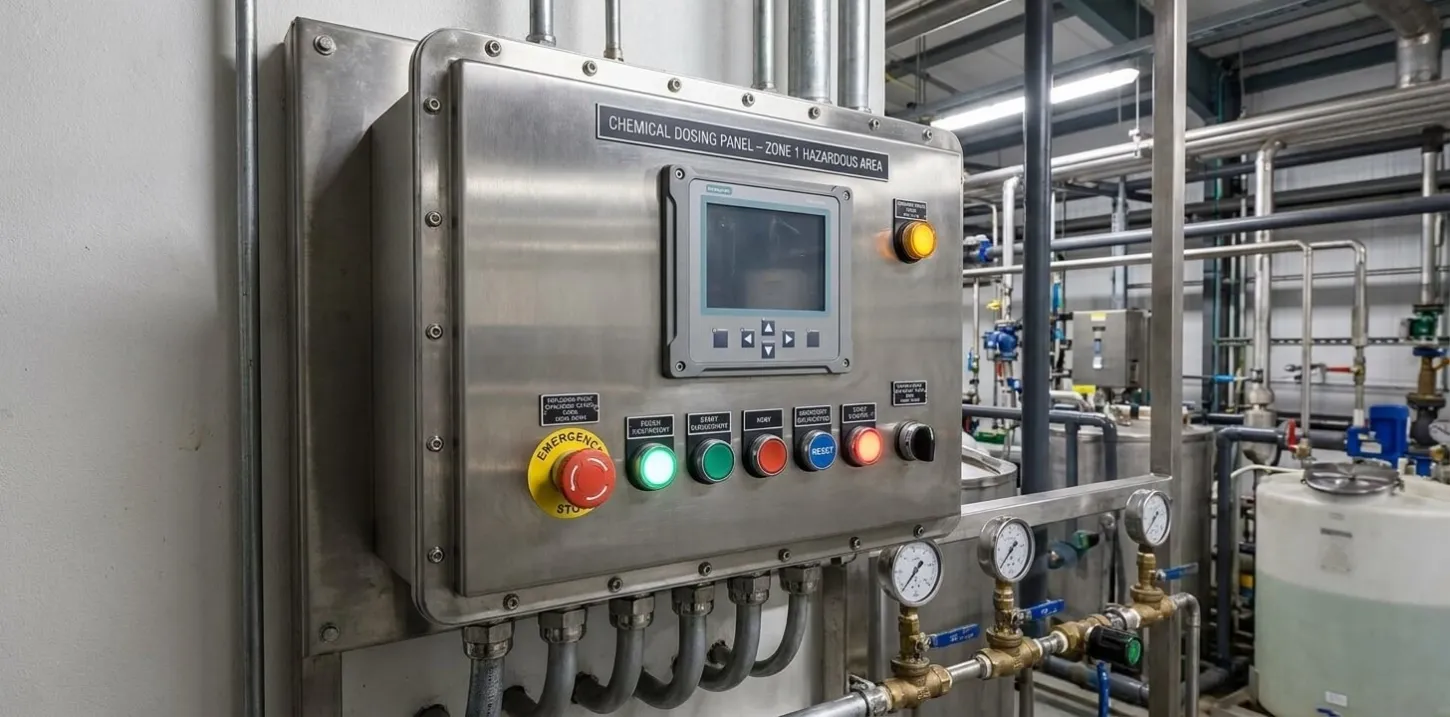
From PLC and RTU architecture to MCC, UPS, power distribution, and outdoor enclosures, each solution is configured around your operating environment, approved brands, system integration requirements, FAT scope, documentation, and delivery schedule.
Each solution is configured around your PLC or RTU platform, motor and power requirements, operating environment, approved component brands, FAT scope, project documentation, and delivery schedule.
Technical review for oil and gas electrical and automation projects.
PROJECT RISK REGISTER
Four risks that can delay an oil & gas electrical project.
Before design approval or production begins, critical project risks must be identified. Missing technical inputs can lead to incorrect component selection, system integration problems, approval delays, and incomplete testing.
Risk 01 Incomplete Hazardous-Area Data
Missing area classification, gas group, temperature class, or certification requirements can result in incorrect component selection and delayed approval.
Risk 02 Incorrect Environmental Assumptions
Ambient temperature, solar exposure, dust, humidity, corrosion, vibration, and installation location must be confirmed before enclosure and cooling selection.
Risk 03 Unclear PLC or SCADA Interfaces
Undefined I/O signals, communication protocols, network architecture, and responsibility boundaries can create integration and commissioning problems.
Risk 04 Long-Lead or Obsolete Components
Unavailable PLCs, drives, power supplies, or protection devices can affect the project schedule unless approved alternatives are reviewed early.
What Determines the Correct Oil & Gas System Configuration?
A reliable oil and gas electrical and automation system begins with accurate design inputs. Site conditions, electrical loads, control interfaces, and project compliance requirements must be confirmed before equipment selection and panel engineering.
Site Conditions1
Design for the Actual Operating Environment
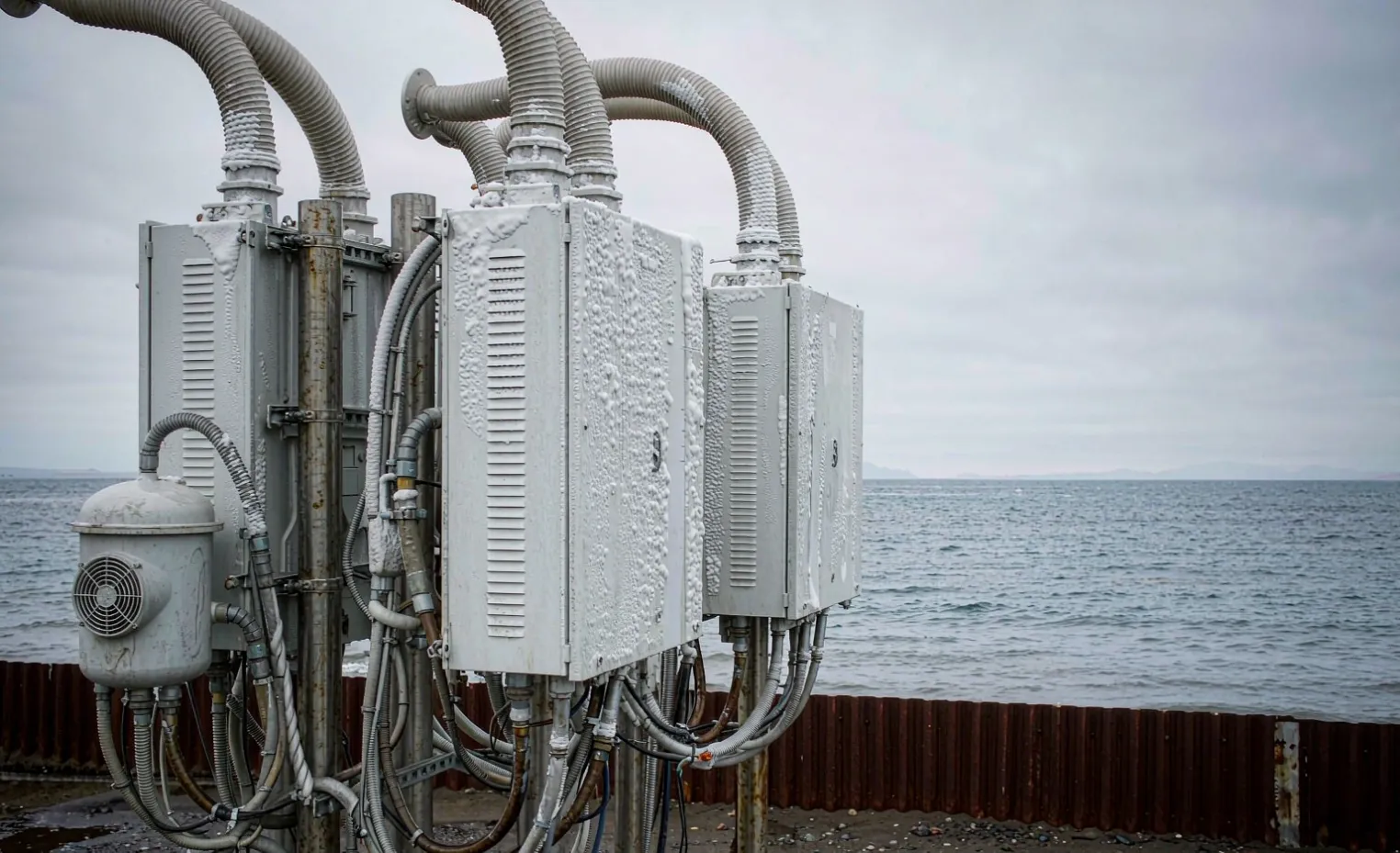
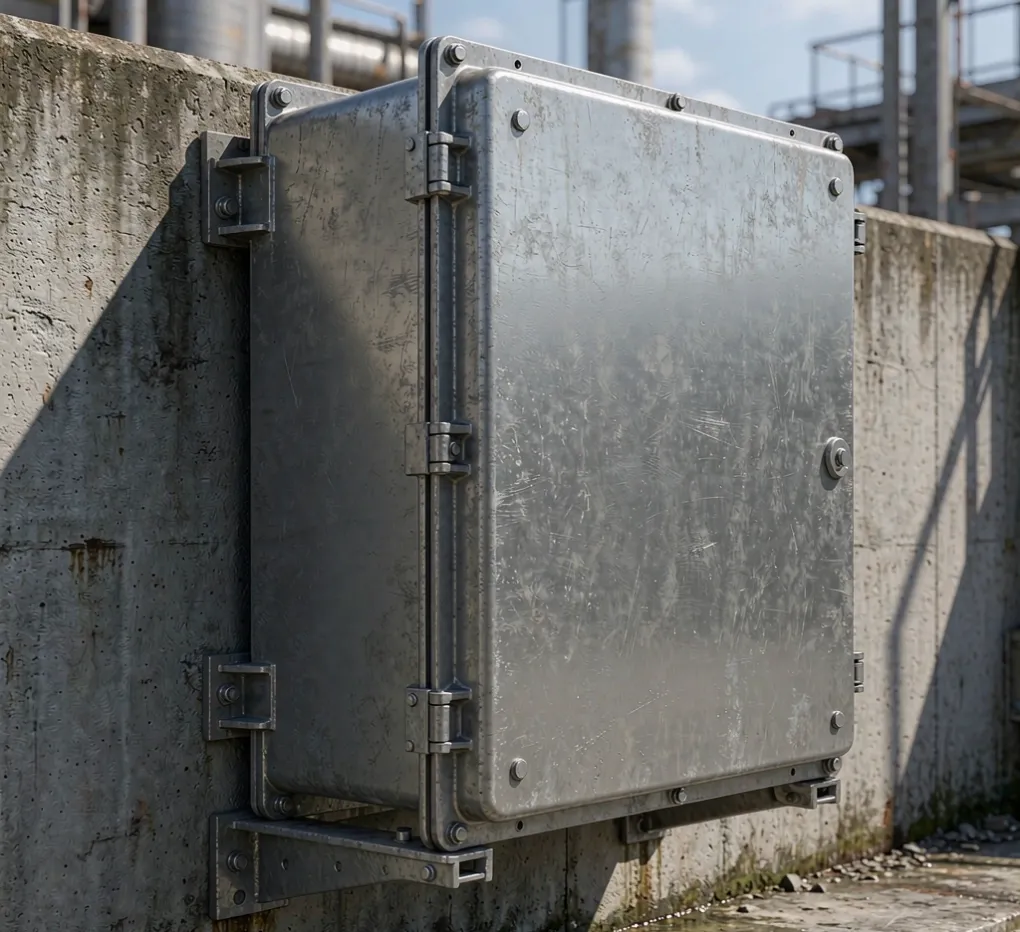
Confirm the installation location, ambient temperature, solar exposure, dust, humidity, corrosion, vibration, and altitude before selecting the enclosure, cooling method, and electrical components.
Supply voltage, frequency, load lists, motor ratings, starting methods, grounding, fault levels, and backup-power duration determine the correct electrical distribution and motor control design.
Confirm the PLC or RTU platform, I/O list, HMI requirements, SCADA interface, communication protocols, network architecture, redundancy, and third-party system boundaries.
Area classification, gas group, temperature class, approved brands, applicable standards, inspection points, FAT scope, and final documentation must be agreed upon before production begins.
Common Electrical Challenges in Oil & Gas Projects
Oil & gas facilities often operate in demanding environments where electrical equipment must perform reliably under extreme temperatures, corrosive conditions and continuous operation. Understanding these engineering challenges before procurement helps reduce project risks and supports long-term sys
Selecting electrical equipment for oil & gas facilities involves more than comparing product specifications. A structured engineering review helps ensure the selected solution matches the operating environment, project requirements, and long-term maintenance strategy.
Well-planned engineering reviews before procurement often reduce redesign work, improve commissioning efficiency, and help avoid costly modifications after installation.
PROJECT DELIVERABLES
What Buyers Receive Before Shipment
A complete oil and gas electrical project requires more than assembled equipment. Buyers should receive clear engineering drawings, component records, automation documents, inspection evidence, FAT results, and shipping documentation.
ED
Electrical Drawings
ENGINEERING DOCUMENTS
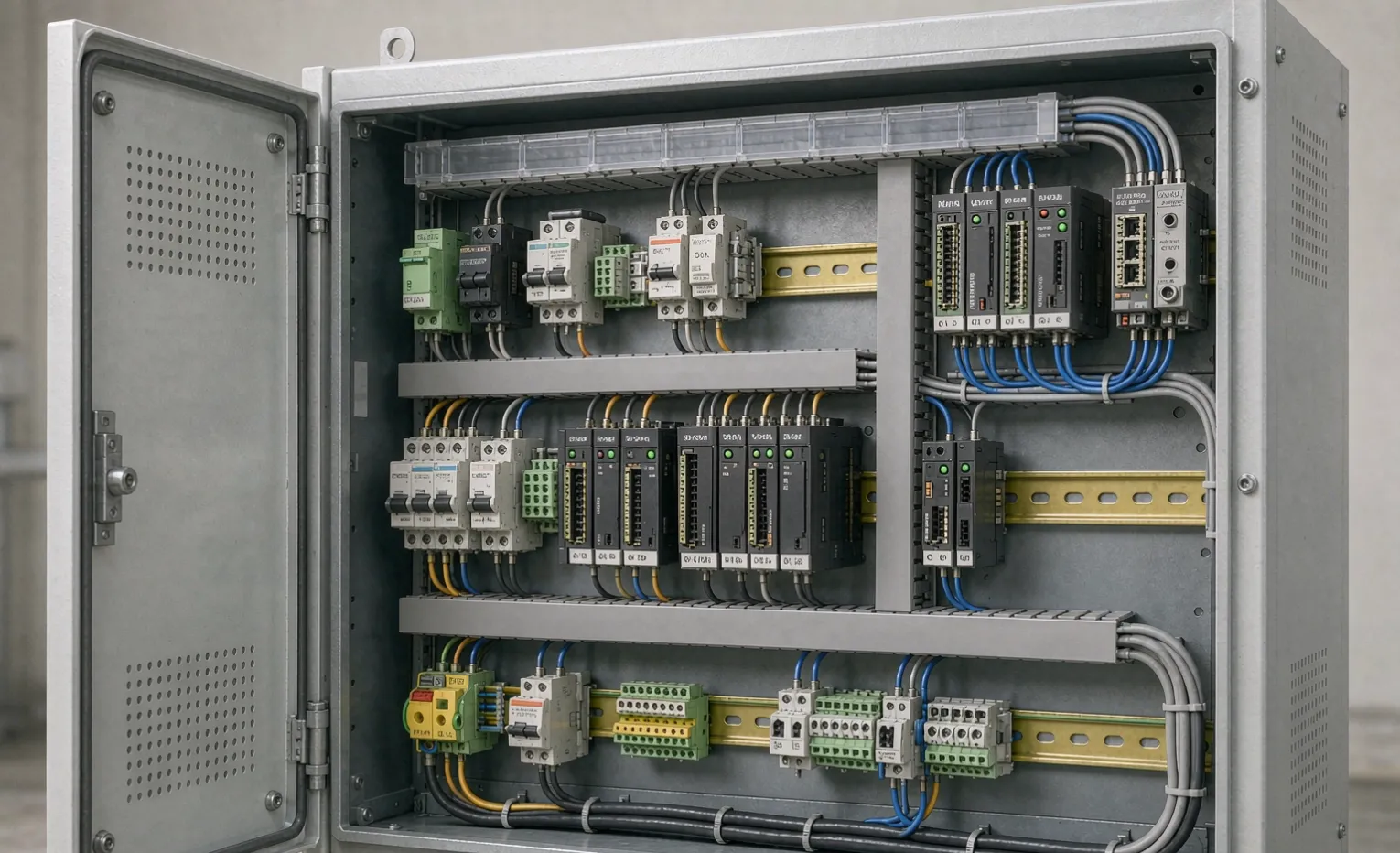
General arrangement drawings, single-line diagrams, electrical schematics, terminal plans, panel layouts, and cable-entry details for project review and maintenance.
B&
BOM & Component Data
COMPONENT RECORDS
Bill of materials, manufacturer names, model numbers, component datasheets, available certificates, and recommended spare-parts information.
I&
I/O & Network Documents
AUTOMATION DOCUMENTS
I/O lists, communication architecture, PLC or RTU interfaces, network protocols, alarm requirements, and third-party system connection details.
IR
Inspection Records
QUALITY VERIFICATION
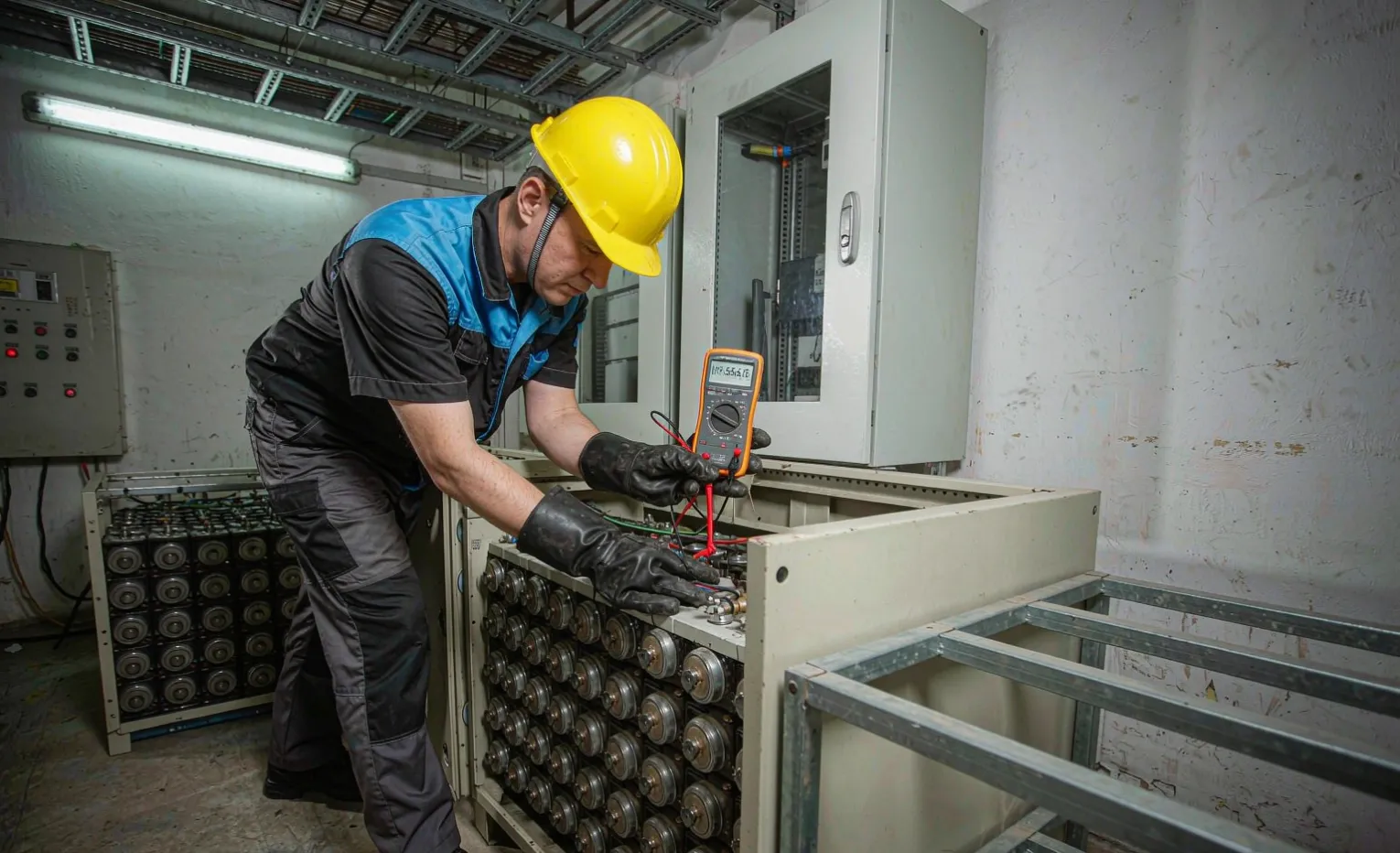
Visual inspection, wiring verification, component checks, insulation testing, labeling review, and power-on inspection records completed before FAT.
FT
FAT Test Reports
FUNCTIONAL TESTING
Factory acceptance testing may cover I/O simulation, alarm checks, equipment sequencing, communication tests, interlocks, and agreed acceptance criteria.
P&
Packing & Shipping Files
DELIVERY DOCUMENTS
Final document index, packing lists, shipping marks, equipment photographs, packing inspection records, and export shipment information.
Engineering Project Lifecycle
From Engineering Review to Long-Term Operation
Every oil & gas project follows a structured engineering process to ensure equipment reliability, project quality and long-term operational performance. From technical evaluation to commissioning and after-sales support, each stage contributes to reducing project risks and supporting successful proj
Engineering Review
Review project requirements, operating conditions, hazardous area classifications and electrical loads to develop an engineering solution that matches both technical specifications and long-term operational needs.
Solution Design & Equipment Selection
Develop electrical distribution and control solutions, then select suitable enclosures, panels and electrical components based on environmental conditions, project standards, and future expansion requirements.
Build & Factory Acceptance Test
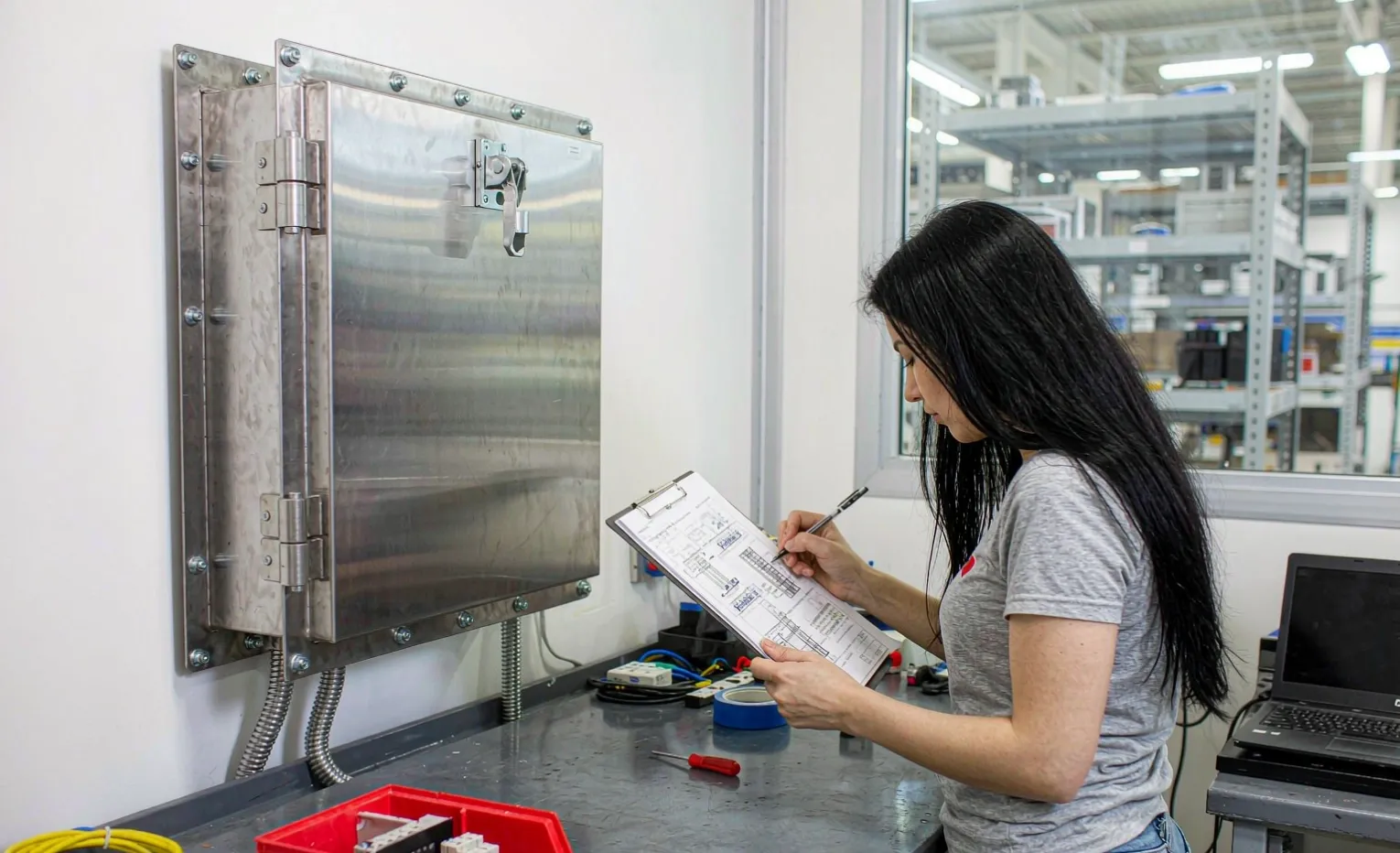
Panels are assembled by vetted partner workshops under controlled production processes, then Factory Acceptance Testing (FAT) verifies functionality, documentation and product quality before shipment.
Global Delivery & Site Installation
Coordinate international logistics and support on-site installation according to approved engineering drawings, ensuring equipment arrives safely and is installed correctly.
Commissioning & Performance Verification
Verify electrical operation, control logic, communication systems and overall equipment performance before project handover to ensure reliable and stable operation.
Operation & Lifecycle Support
From engineering review to commissioning, every stage contributes to safer, more reliable and more efficient oil & gas operations.
Questions Oil & Gas Buyers Ask Before Supplier Approval
Review the technical, compliance, integration, testing, and documentation questions that should be confirmed before ordering an oil and gas electrical or automation system.
Have drawings, specifications, an I/O list, or an approved vendor list? Send the available files for an initial technical review.
Stories and guides
Launch notes, field reports, and updates
Read the latest product stories, buying guides, and company updates from the Northstar team.
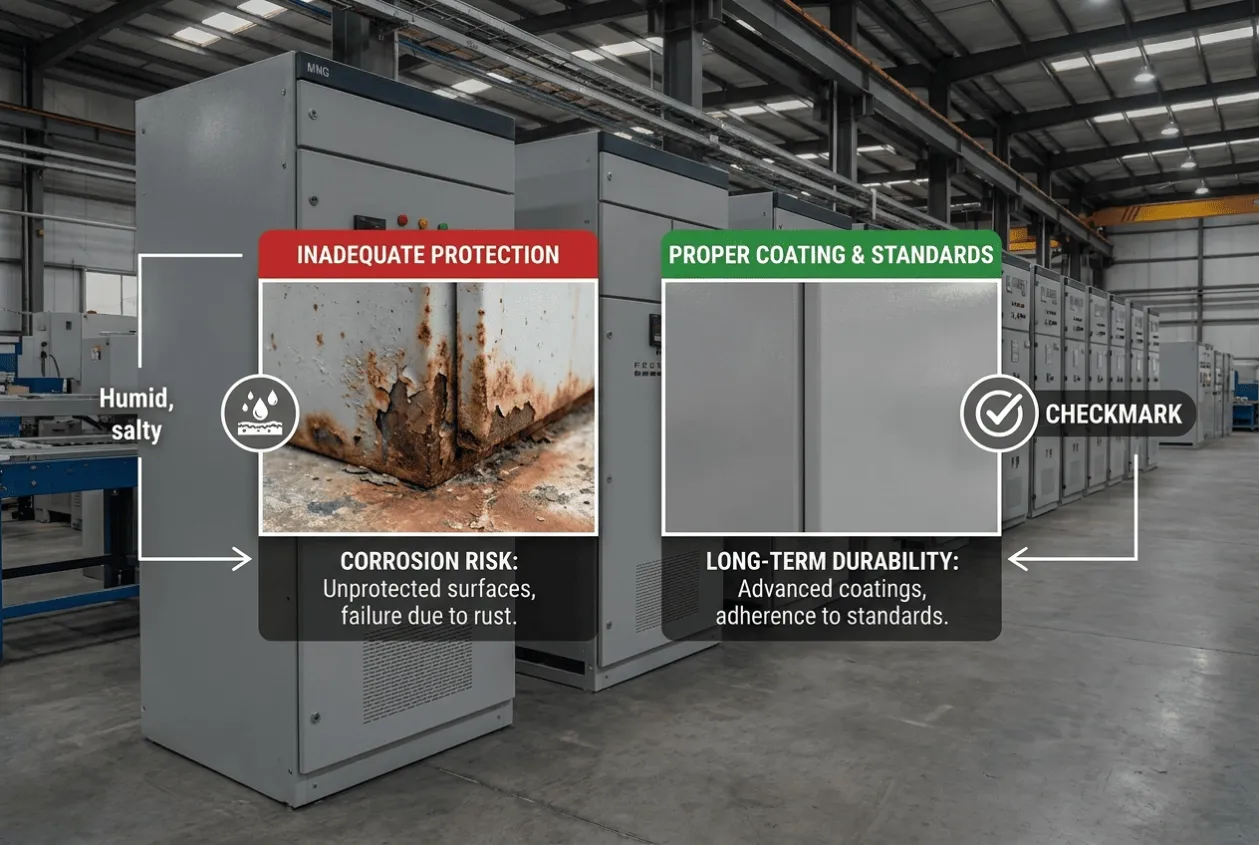
Corrosion protection starts in the RFQ. This article explains how buyers compare materials, coatings, ISO 12944 classes, and site conditions before approving enclosure suppliers.
What Actually Happened When a Packaging Brand Moved Part of Its Supply Chain From China to Vietnam Over the last three years, one topic has appeared repeatedly across sourcing forums, procurement grou